




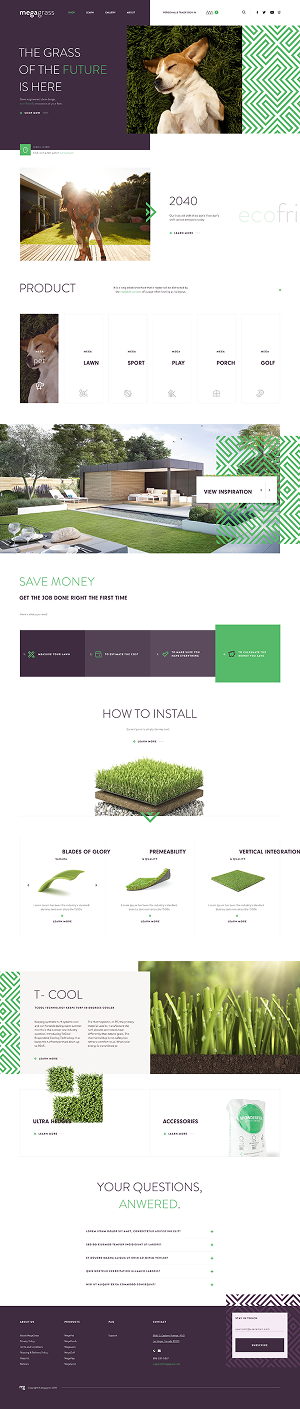
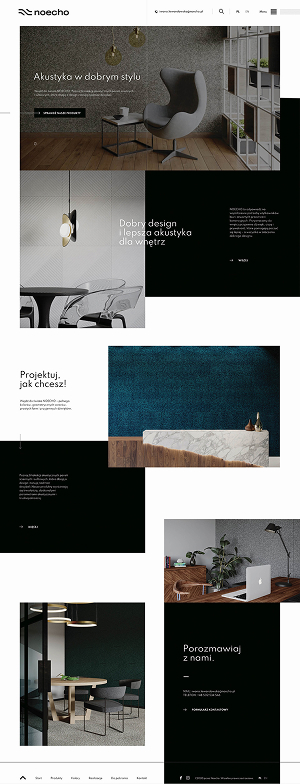
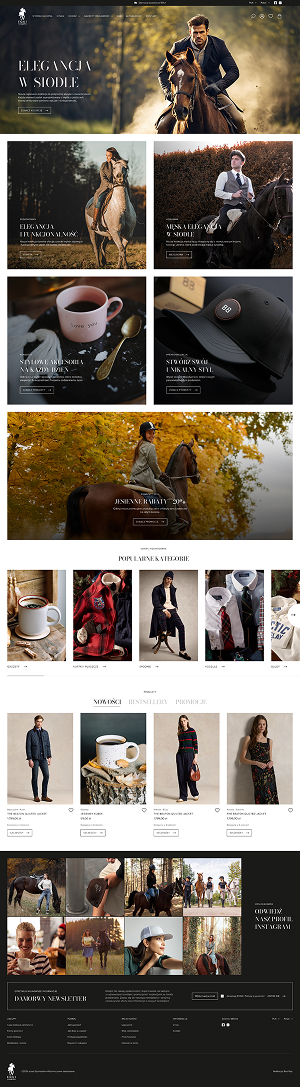
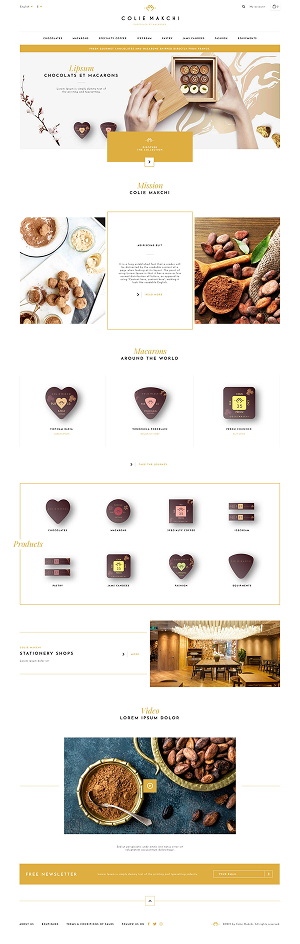
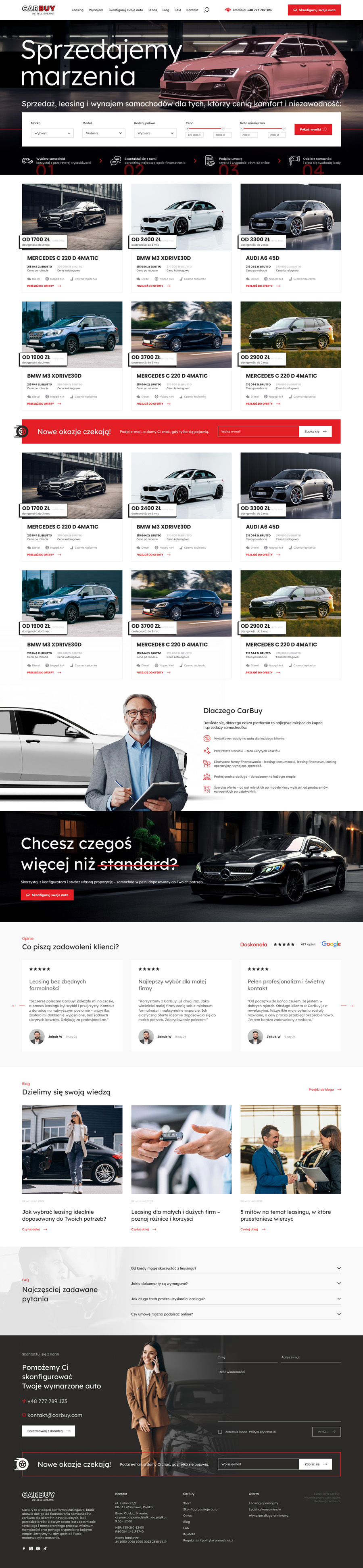
Solid foundations
Type scales, spacing, grids and core UI rules are already organized before the real design work begins. I can move into visual exploration much faster without rebuilding the basics every time.
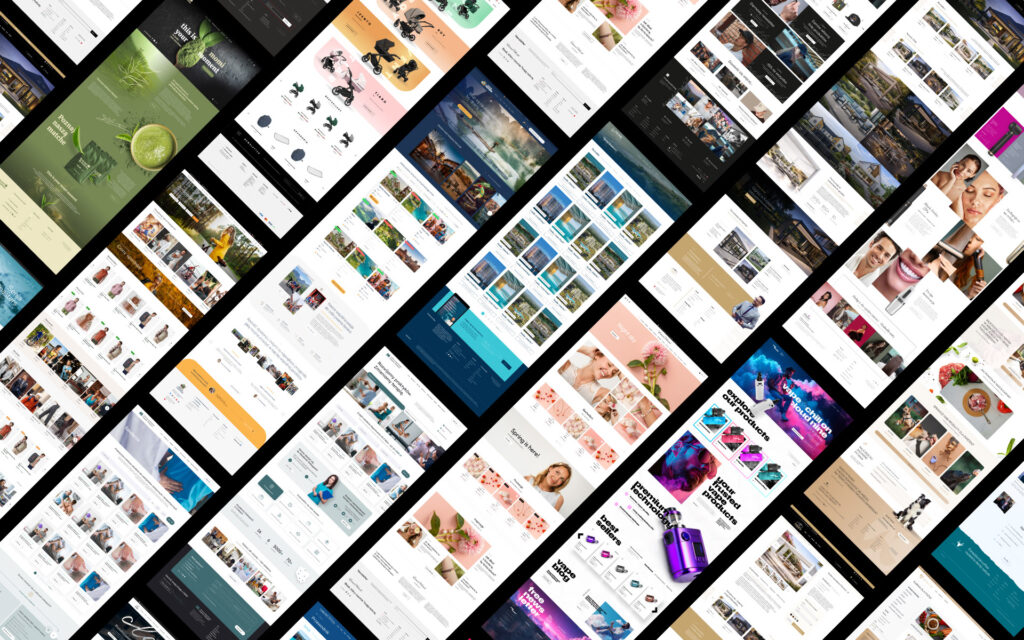
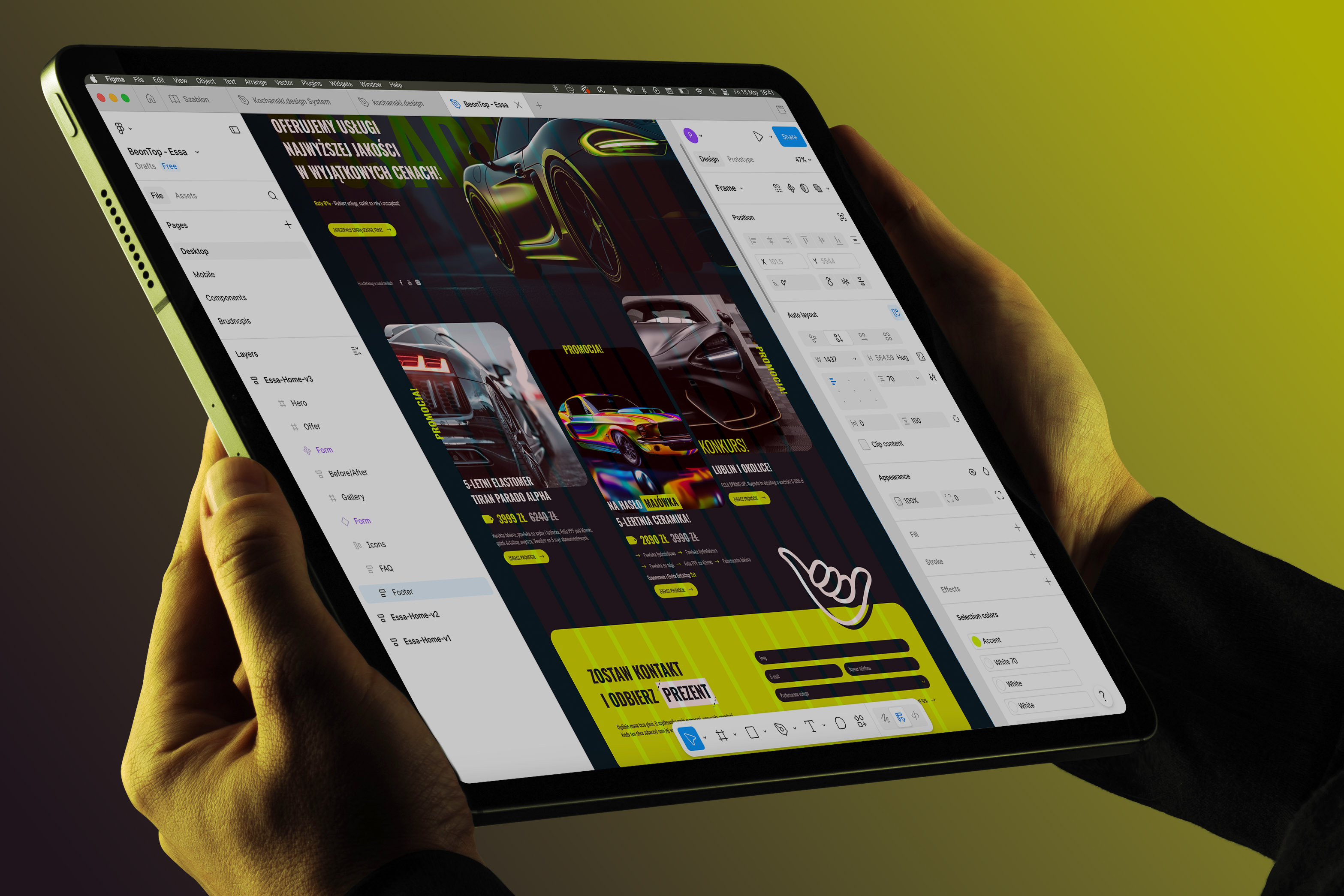
k.des is my personal Figma framework for digital products. It gives me a solid technical base from the start, so I can spend less time rebuilding the same foundations and more time on the part that actually makes each project different.
I built k.des after years of working on websites, apps and digital products where the same problems kept coming back. Spacing systems had to be rebuilt. Components had to be recreated. Figma files needed cleaning before handoff. Small changes often meant editing the same thing across dozens of screens. k.des gives me a reliable starting point for all of that. The visual direction still comes from the project itself. The framework simply takes care of the structure underneath.
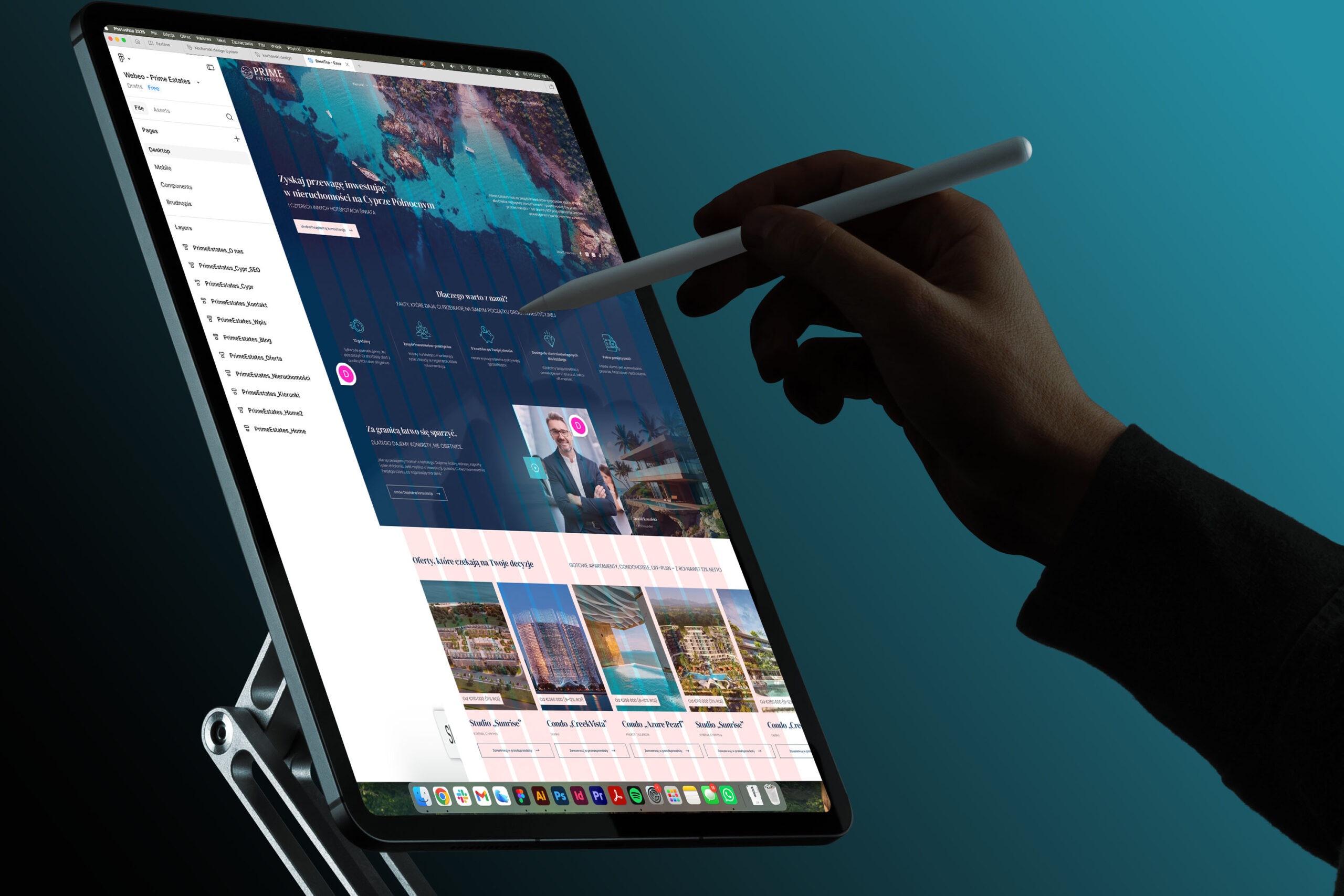
The framework lives inside Figma and evolves with every project. It is built around reusable foundations, flexible components and a predictable file structure. Enough structure to work quickly, but never so much that the design starts feeling predefined.
Type scales, spacing, grids and core UI rules are already organized before the real design work begins. I can move into visual exploration much faster without rebuilding the basics every time.
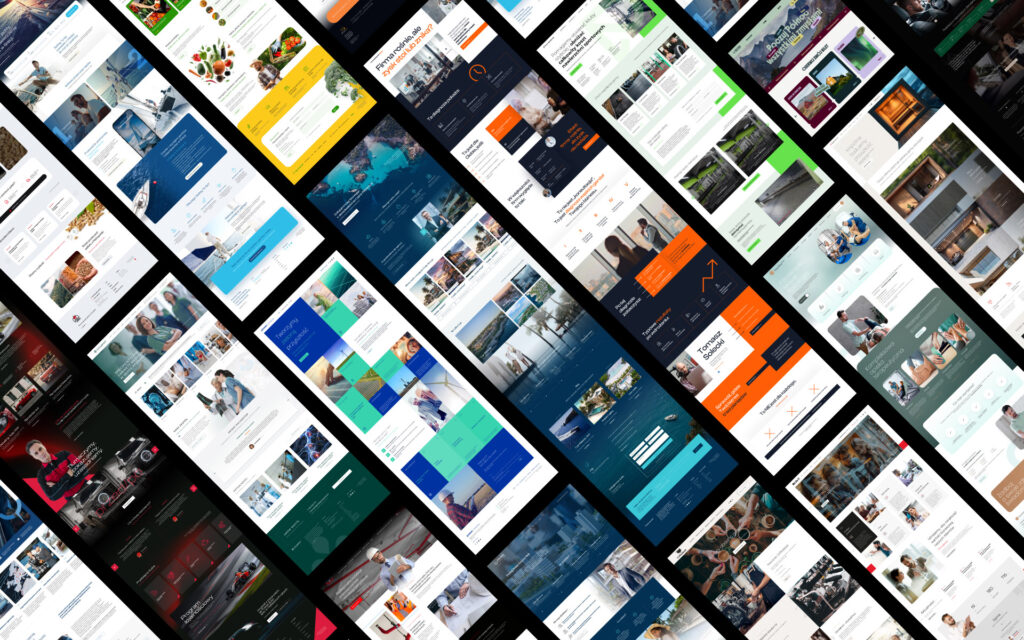
Components are designed to adapt instead of forcing every project into the same layout. They give me speed where it helps, while leaving enough freedom to shape a distinct interface.
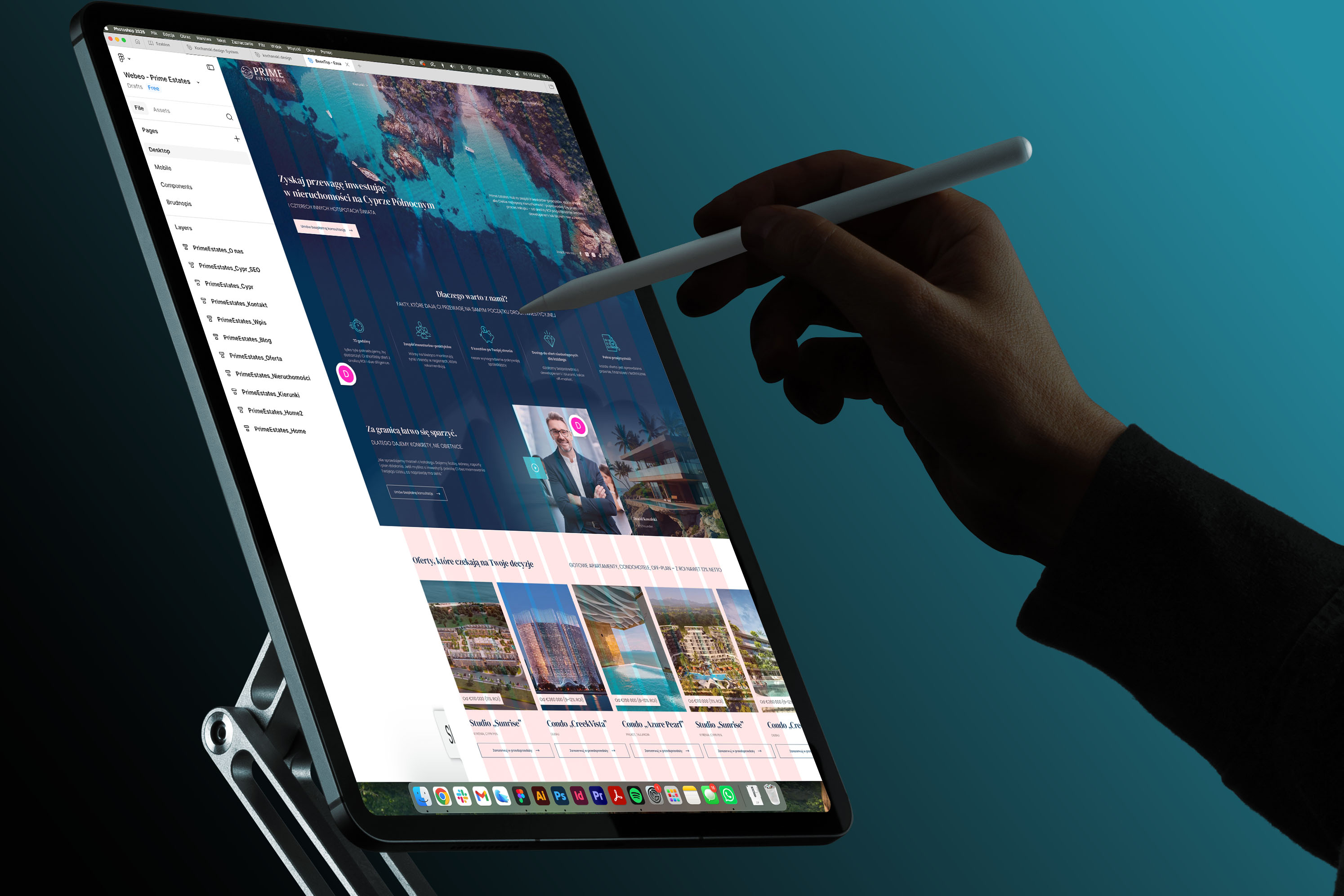
Files stay organized from the beginning. Components, variables and naming follow a clear logic, so the project remains easy to understand when it reaches developers or another designer.
Global styles and variables make broad changes much easier. A change in typography, spacing or color can flow through the project without manually correcting screen after screen.
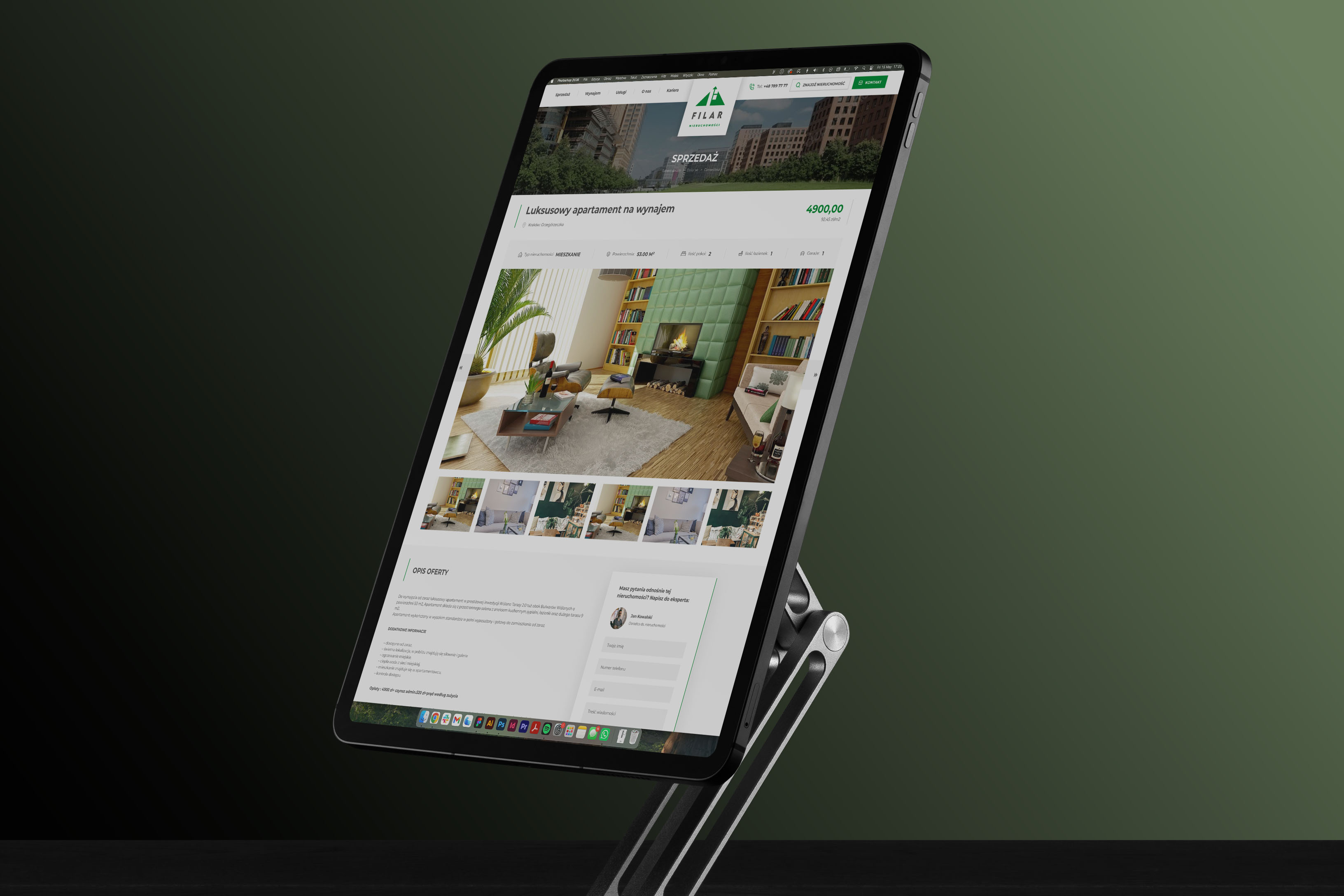
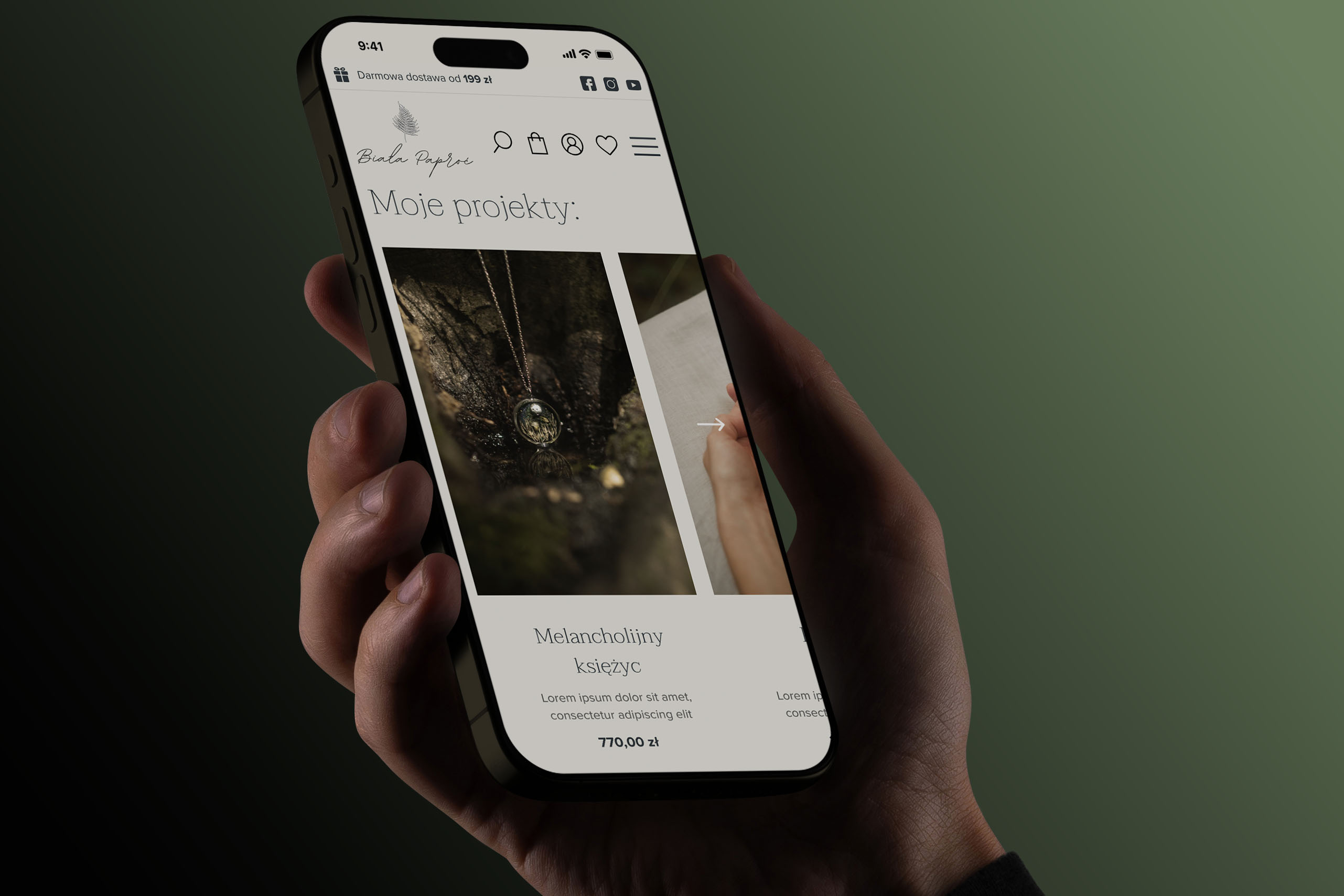
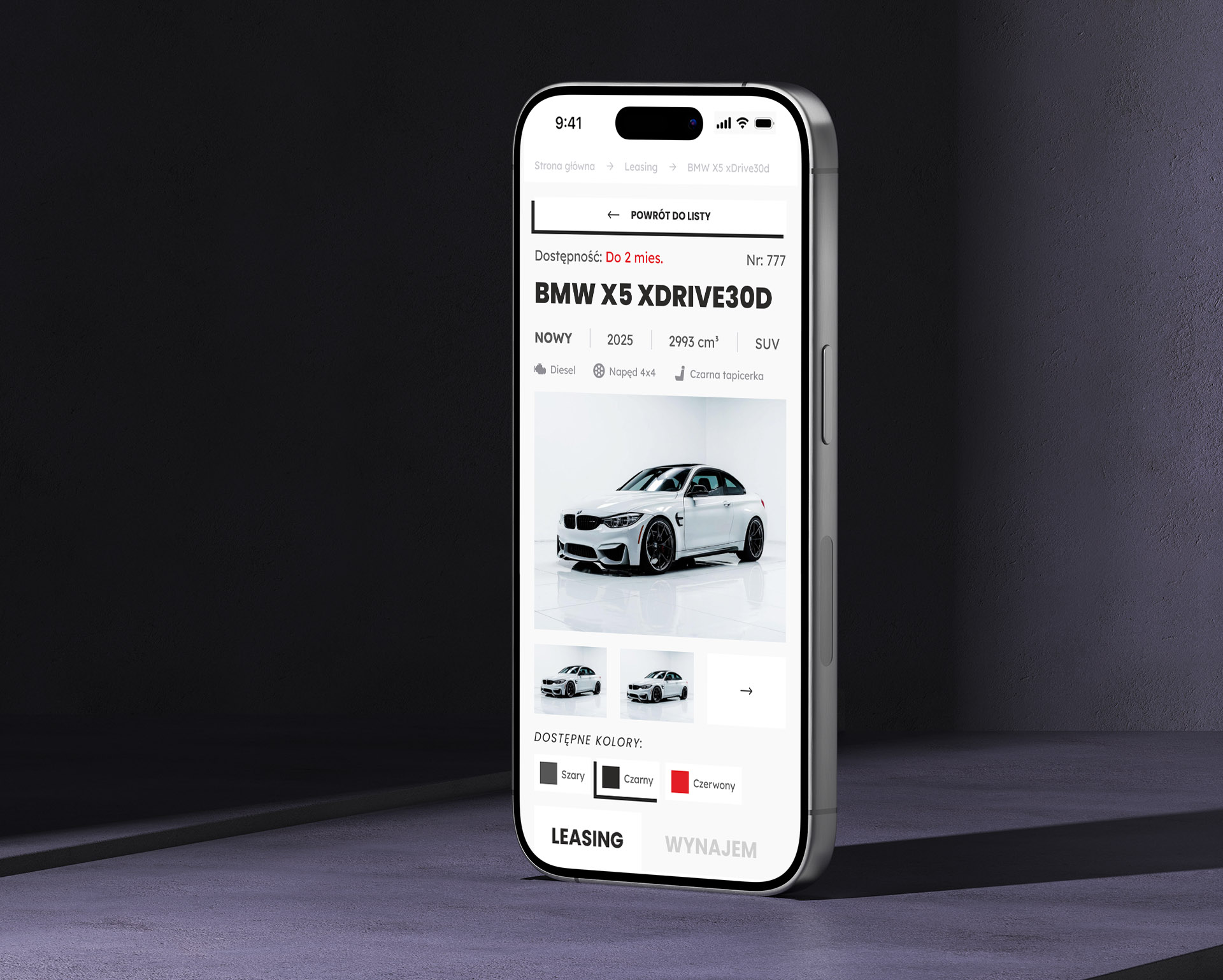
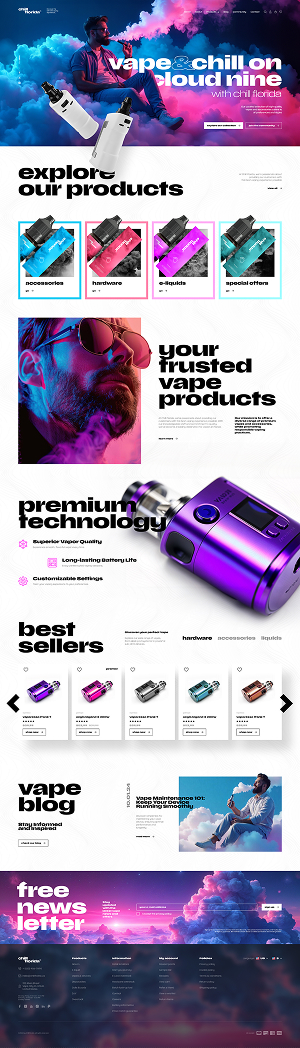
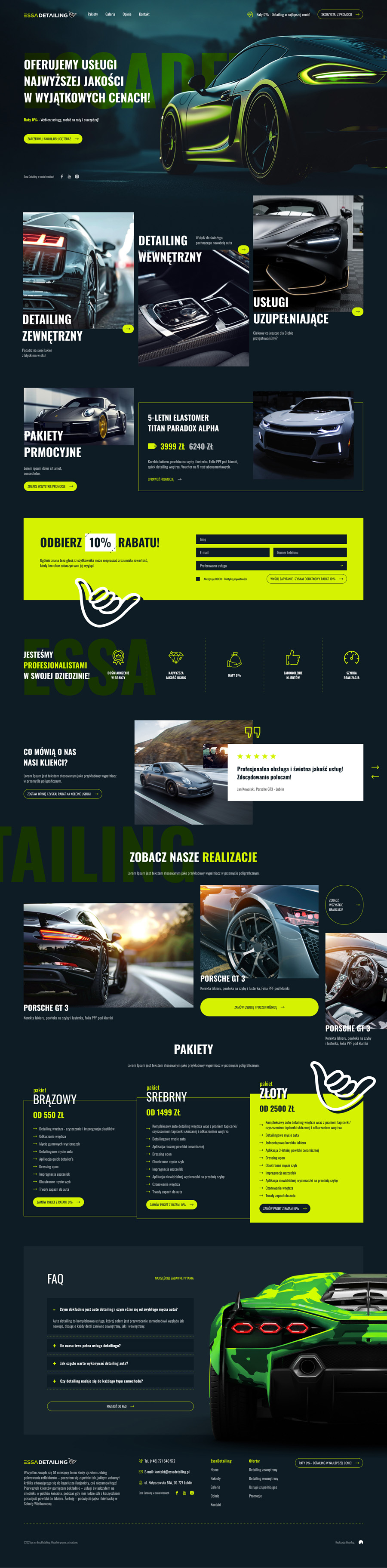
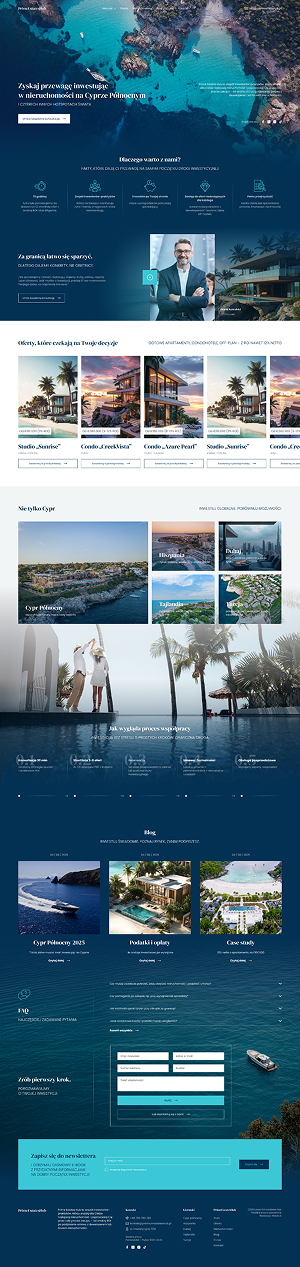
Ecommerce projects contain a lot of repeated UI logic, but the brand still needs to feel individual. k.des helps me move quickly through product pages, category views, carts and checkout flows while keeping the visual language consistent across the whole experience.
Complex products need consistency more than decorative complexity. The framework gives me a stable base for dashboards, forms, navigation and recurring interface patterns, while the actual product logic and visual character are designed around the business.